Getting ready to sell in Lawrenceville and wondering what an appraiser will zero in on? You are not alone. A clear picture of how appraisers judge value can help you plan repairs, choose the right price, and avoid surprises during underwriting. In this guide, you will learn what appraisers look for, how comps are chosen in Gwinnett, and practical steps you can take to support the best possible value. Let’s dive in.
Why appraisals matter in Lawrenceville
For a lender-financed sale, the appraisal estimates your home’s market value as of a specific date to support the loan-to-value calculation. Appraisers follow the Uniform Standards of Professional Appraisal Practice through The Appraisal Foundation and Georgia licensing rules. For loans, they also follow investor guidance like the Fannie Mae Selling Guide and HUD’s Single Family Housing Policy Handbook for FHA.
Most lenders require a full interior and exterior inspection for owner-occupied sales in this market. The report documents measurements, photos, condition, site characteristics, neighborhood data, and any known legal or permitting issues. Appraisers typically rely on the Sales Comparison Approach and use recent local sales to show how the market is reacting to homes like yours.
What the appraiser inspects
Condition and major systems
Appraisers look at roof age and condition, foundation, HVAC operation and age, plumbing, electrical, and signs of water intrusion or pests. Documented repairs with permits and receipts help support value. In parts of metro Atlanta, clay soils can contribute to foundation movement. If you have engineering reports, warranties, or repair invoices, make them available.
Functional layout and livability
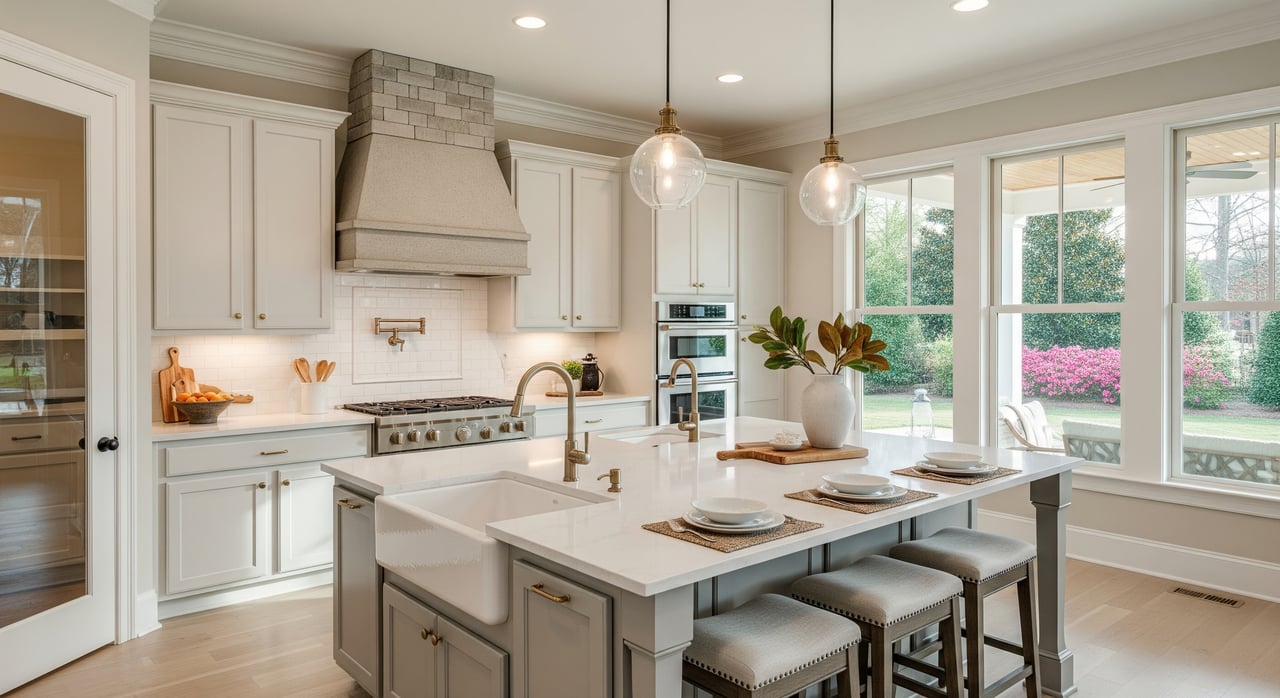
Configuration matters. The number of bedrooms and baths, kitchen layout and finish, room flow, and ceiling heights all influence how buyers perceive the home. If the layout is awkward compared with nearby homes, the appraiser may adjust value even if square footage is similar.
Living area vs finished basements
Appraisers report above-grade Gross Living Area separately from basement space. Finished basements in Lawrenceville may add value, but usually at a lower rate per square foot than above-grade space. Market reaction drives this contribution. A basement with legal egress, comfortable ceiling height, a full bath, quality finishes, effective moisture control, and permitted work will generally support value more than a basic or incomplete finish. Unpermitted work or moisture issues can reduce the contribution.
Site, lot, and location specifics
Lot size, slope, drainage, usable yard, privacy, and curb appeal all matter. In Lawrenceville, proximity to downtown amenities, access to GA-316 and I-85, nearby job centers like the Sugarloaf area, and community assets such as parks, healthcare, and the fairgrounds can influence demand. Usable yard often matters more than raw acreage. If any structure lies within a FEMA flood zone, that can affect insurability and value. You can verify mapping through the FEMA Flood Map Service Center.
Exterior amenities and features
Garages and driveways, decks and patios, pools, outbuildings, and fencing are noted. Pools can be appealing to some buyers, but market reaction varies by neighborhood. Appraisers will rely on comps to measure how similar features influenced sale prices nearby.
Neighborhood and external factors
Appraisers document neighborhood condition, nearby non-residential uses, noise corridors, and new construction trends. In Gwinnett County, school district boundaries are a regular factor in buyer demand. Appraisers consider how the market responds to these boundaries when developing adjustments, while keeping descriptions neutral and factual.
Legal, title, and permitting
If additions or conversions lack permits, appraisers typically exclude those areas from GLA or treat them as a negative condition. HOAs, easements, and encroachments are reported because they can affect utility and marketability. If you’ve completed major work, gather final permits and inspections through Gwinnett County Planning & Development.
How comps are chosen in Gwinnett
Selecting the right comparables
Appraisers look for similar property types close to your home with recent sale dates. In Lawrenceville, they often start in the same subdivision or immediate area, then expand within a few miles if needed. A common window is 3 to 12 months, with more weight on the most recent closed sales when the market is moving.
What gets adjusted
Adjustments account for differences in square footage, bedroom and bath count, condition, finished basement area, lot size, age and quality, garage capacity, pools, and meaningful upgrades like kitchen or bath remodels. If the market is trending up or down, older sales are time-adjusted to reflect the change between their closing date and your appraisal date. The guiding principle is market reaction: what buyers in Lawrenceville actually paid for similar features.
Local drivers to watch
Access to commuting routes, proximity to jobs and services, neighborhood amenities, and the ongoing mix of new construction and established homes can all shape demand. Larger lots can command a premium in established areas. For current pricing and days on market, rely on up-to-date MLS data. These metrics shift often, so build your strategy on recent local statistics.
Pre-listing steps to support value
Fix and document first
Tackle the items that can cost you the most in an appraisal or trigger lender-required repairs. Prioritize:
- Roof leaks, HVAC problems, active water intrusion, and obvious electrical or plumbing hazards
- Evidence of structural movement or moisture issues in basements
- Open permits or unpermitted work
As you address items, compile a homeowner packet with:
- A dated list of upgrades and repairs
- Permits and final inspections from Gwinnett County Planning & Development
- Warranties and receipts for roof, HVAC, water heater, foundation repair, and major remodels
- HOA documents and any surveys or plats
Improvements that often help
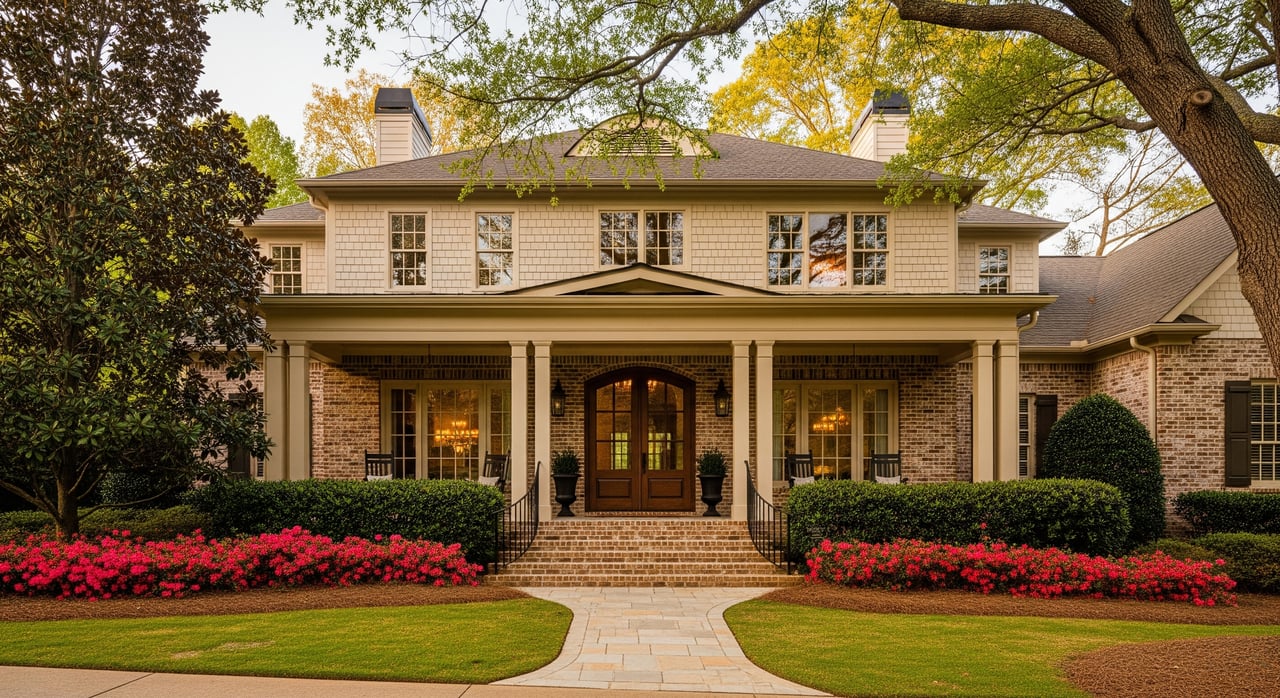
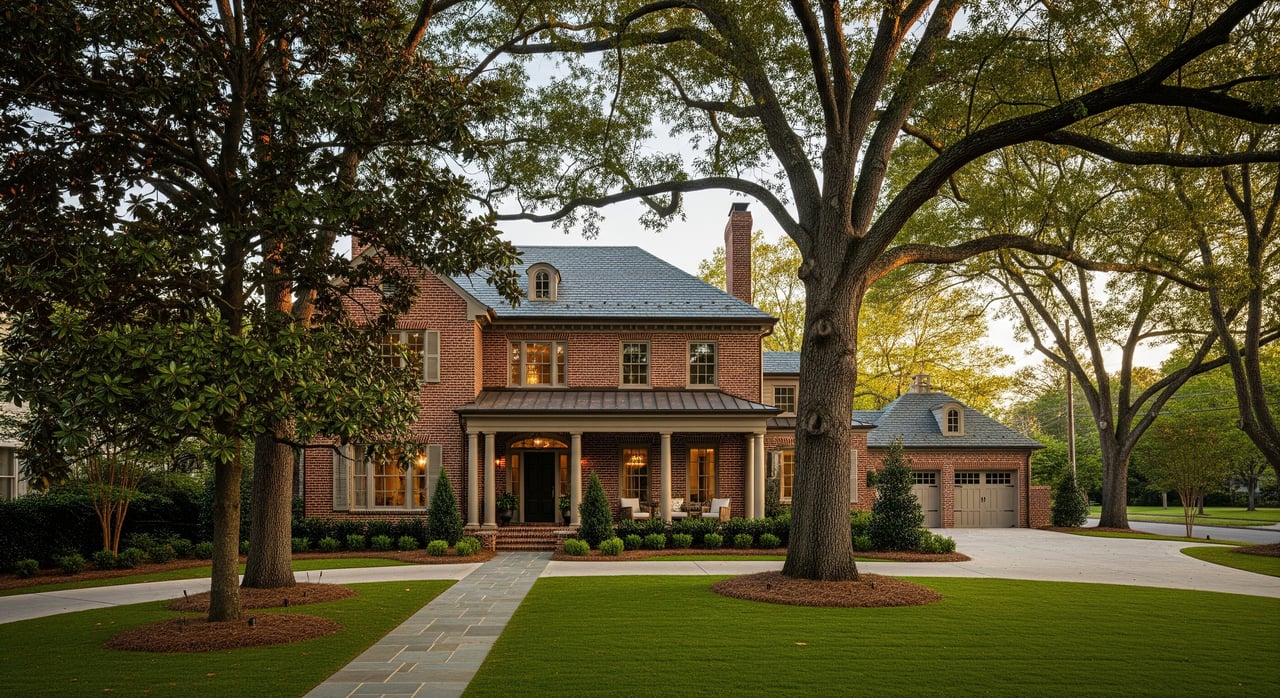
Kitchens and bathrooms that are modern and functional tend to align well with comps. Mechanical upgrades like newer HVAC or added insulation are easy for appraisers to document and for lenders to underwrite. Curb appeal matters too. Fresh mulch, trimmed shrubs, clean siding, and a clear driveway reinforce overall condition.
Make the basement count
If you have a finished basement, highlight features that support market value:
- Legal egress, comfortable ceiling height, and a full bath
- Quality finishes, climate control, and dehumidification
- Permitted construction with receipts
If moisture or prior repairs exist, show documentation and any warranties. If work was done without permits, consider speaking with the county about options. You can also review soils data for your property through the USDA NRCS Web Soil Survey if clay or drainage comes up in past reports.
Non-repair steps that pay off
- Staging and decluttering help both buyers and appraisers see the home’s condition clearly.
- A pre-listing inspection can surface issues before you hit the market, which helps you control timing and cost.
- Provide the appraiser with easy access to all rooms, attic, crawl spaces, and mechanicals.
When to consider a pre-listing appraisal
If you have a unique home, significant upgrades, or limited nearby comps, a pre-listing appraisal can give you a realistic pricing baseline. It may also flag where unpermitted work, layout quirks, or condition gaps could suppress value so you can address them early.
Local tools and resources
Use these official resources to verify details that commonly affect appraisals:
- The Appraisal Foundation for USPAP standards and appraisal guidance
- Fannie Mae Selling Guide for lender program requirements
- HUD Single Family Housing Policy Handbook for FHA appraisal guidance
- Gwinnett County Tax Assessor for parcel data, legal descriptions, and assessed values
- Gwinnett County Planning & Development for permit history and inspections
- FEMA Flood Map Service Center to confirm flood zones
- USDA NRCS Web Soil Survey to review soil characteristics
Partner with a local, design-savvy team
You do not need to navigate this alone. A thoughtful plan that blends precision pricing, inspection-level insight, and staging can help your Lawrenceville home appraise cleanly and sell with confidence. If you want help prioritizing repairs, packaging permits and receipts, and aligning your listing strategy with current comps, connect with Ursula Lowther. Schedule Your Consultation.
FAQs
Will appraisers count finished basements in Lawrenceville?
- Appraisers report above-grade living area separately and usually value finished basements at a lower rate per square foot based on local market reaction and the space’s quality, egress, and condition.
How close and recent should comps be for my home?
- Appraisers favor sales from the same subdivision or close by, typically within 3 to 12 months, expanding distance or time only when needed and with appropriate adjustments.
Do renovations guarantee a higher appraisal in Gwinnett?
- No. Value impact depends on quality, how updates compare with neighborhood norms, and whether local comps reflect similar finishes and features; unpermitted work can hurt value.
What if my buyer’s appraisal comes in low?
- You can provide additional comps to the lender for reconsideration, renegotiate terms with the buyer, or the buyer may bring more cash depending on lender policies and contract terms.
How should I prepare for the appraiser’s visit?
- Complete obvious repairs, gather permits and receipts, declutter, ensure access to all areas, and provide a clear list of upgrades with dates to help document value-supporting features.